In a world where customers have more influence than ever, it has never been more important to put customers at the centre of your business.
CMOs know this: 73% of them agree customer centricity is critical. Yet only 14% of CMOs think their company is successful at putting customers at the heart of everything they do. Why the gap?
The problem is not lack of desire or customer understanding. The reality is that we are actually TOO obsessed with understanding customers. We are four times more knowledgeable about how customers make decisions than we are about how our own businesses make them.
Great customer understanding alone isn’t enough; what truly matters is whether decision makers frequently think about customers. Customer Salience is the one thing that matters in delivering customer-centric culture change.
Paul Hudson has been working to improve customer focus with brands globally for 25 years, and in Customer Salience he gives you the tools you need to embed customer-focused decision making. Discover:
- the one thing you need to focus on to deliver customer centricity
- practical steps that you can take to improve decision-making in your organization
- the Customer Salience toolkit, to help you get started today
- an online community for support and advice.
A field guide for people who work with people.
Coaches, HR, L&D, managers and leaders are increasingly being asked to work well, ethically and humanely at the edge of performance, pressure and declining mental health. How do they do this without burning out, becoming therapists, or carrying responsibility that isn’t theirs?
Supporting high-performing people under sustained pressure requires thinking, presence and judgement, especially when stress, lowered resilience and mental health concerns are involved. Few people are trained to work at these edges, where role boundaries are tested and sound judgement matters most.
Working at the Edges occupies a space most books avoid. It focuses on how we hold the work rather than what we do. It reminds us that natural physiological responses are just that: natural. And it celebrates our human ability to adapt and adjust to life with ease.
Most books in this space deal with how to develop a strategy for AI: The Intelligence Multiplier focuses on how to develop a strategy with AI.
Combining practical advice, real-world examples and a focus on actionable insights, it’s designed to help you make smarter decisions, build competitive advantage, and future-proof your organization in an AI-driven world.
It covers topics such as: – Gathering and managing increasing volumes of information – Best practices for working with customer/personal data – Using AI to synthesize data and generate insights, using the strategy models you know and the technology you might not – Making smarter, faster decisions – Communicating your strategy to stakeholders, with more personalized but consistent communications – Responding more quickly when your strategy is overtaken by events.
There is no single, correct approach to managing the risks and opportunities of AI; this book gives you a clear and structured way to determine your own approach.
Most organizations are ineffective. Yours doesn’t have to be.
You wouldn’t go swimming in the sea without checking the currents and the tides first. Yet as a leader, you’re expected to dive straight into every problem and fix it fast – even though your organization, like the world around it, is more complex and disrupted than it’s ever been.
The issue? Expediency instead of effectiveness. The illusion of progress rather than real change. Hidden costs accumulating, unseen, while your organization remains ineffective.
The solution? The Effectiveness Edge. A different way in, using the 3D-OE Diagnostic FrameworkTM to give you a step-by-step approach that reveals what’s going on – one layer of complexity at a time.
The outcome? Seeing systemic issues clearly, making sense of the dynamics of your organization and cutting through to surface what’s really going on.
This way, your people do more of what matters and less of what doesn’t – and you can realize cost benefits faster.
With helpful case studies, a comprehensive diagnostic tool and clear examples for putting the theory into practice, this is the essential leaders’ resource to unlock productivity, performance and profitability.
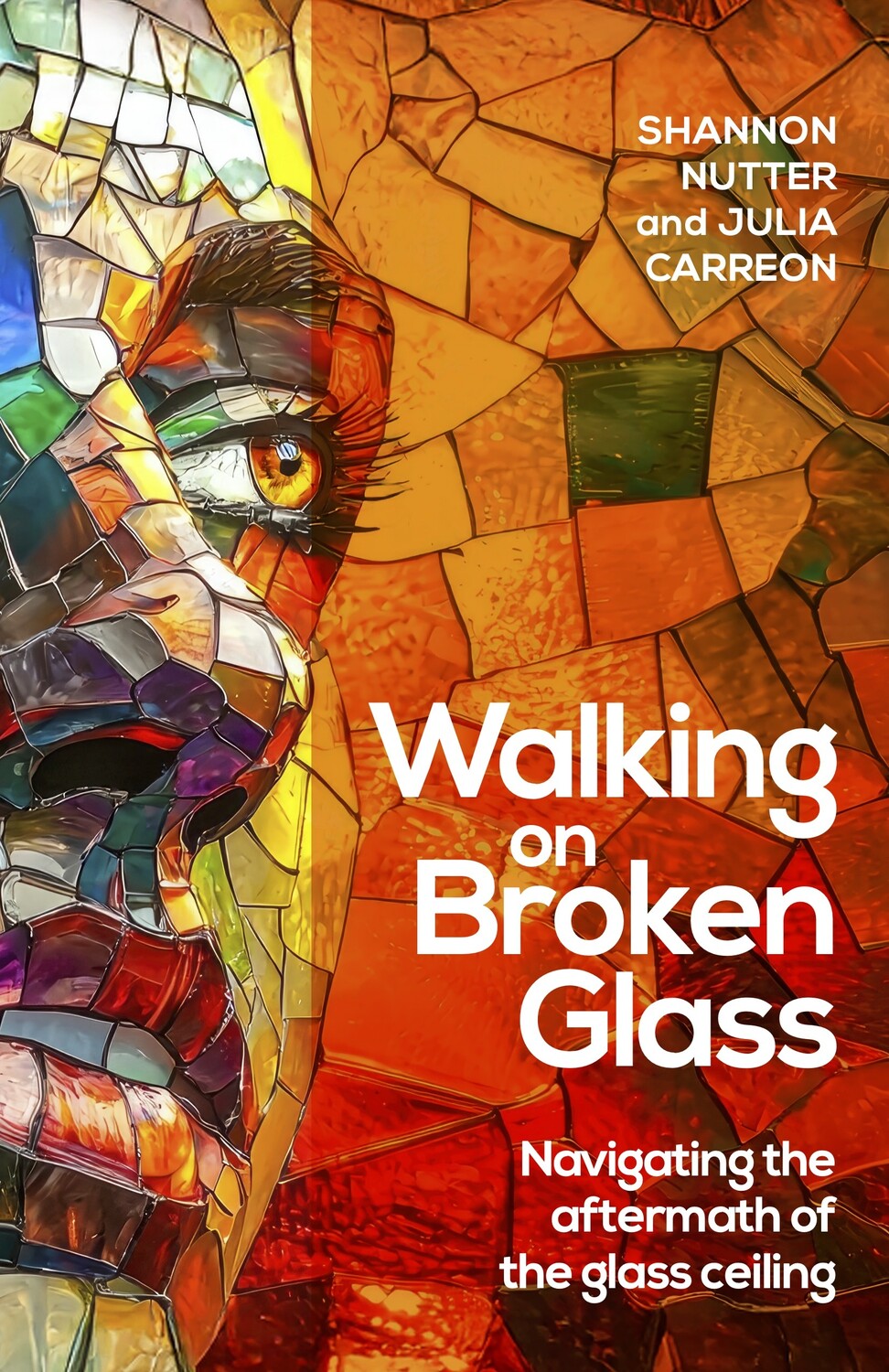
Nobody is coming to save us – so we’ll lead a revolution to save ourselves.
The ‘glass ceiling’ was just the first barrier – now comes the ‘glass cliff’ and the takedown playbook. The global rollback of DEI programs, the literal deletion of women in leadership and the entrenched assumption that only white men are competent leaders make one thing clear: institutional bias isn’t going anywhere and, in fact, is likely to go backwards.
In short, nobody is coming to save us. If women want to drive real change, we must claim our power and take control of our own destiny by banding together to make progress. The science is clear: more diverse teams drive better business outcomes.
Shannon Nutter and Julia C. Carreon know this from first-hand experience. They climbed to the C-suite at some of the world’s largest financial institutions while staying true to who they are. They built careers that weren’t just successful, they were fully their own. And along the way, they learned that what women really need isn’t another set of instructions for how to change themselves, it’s a playbook for how to identify and prepare for bad behavior, from women with lived experience of it.
Shannon Nutter is a global executive and board director. She has over two decades of leadership experience at organizations including Vanguard, Deloitte and General Motors.
Julia C. Carreon is a financial services executive with a reputation for technology transformations and execution excellence. She has led wealth management and advisor tech at Citibank and Wells Fargo.
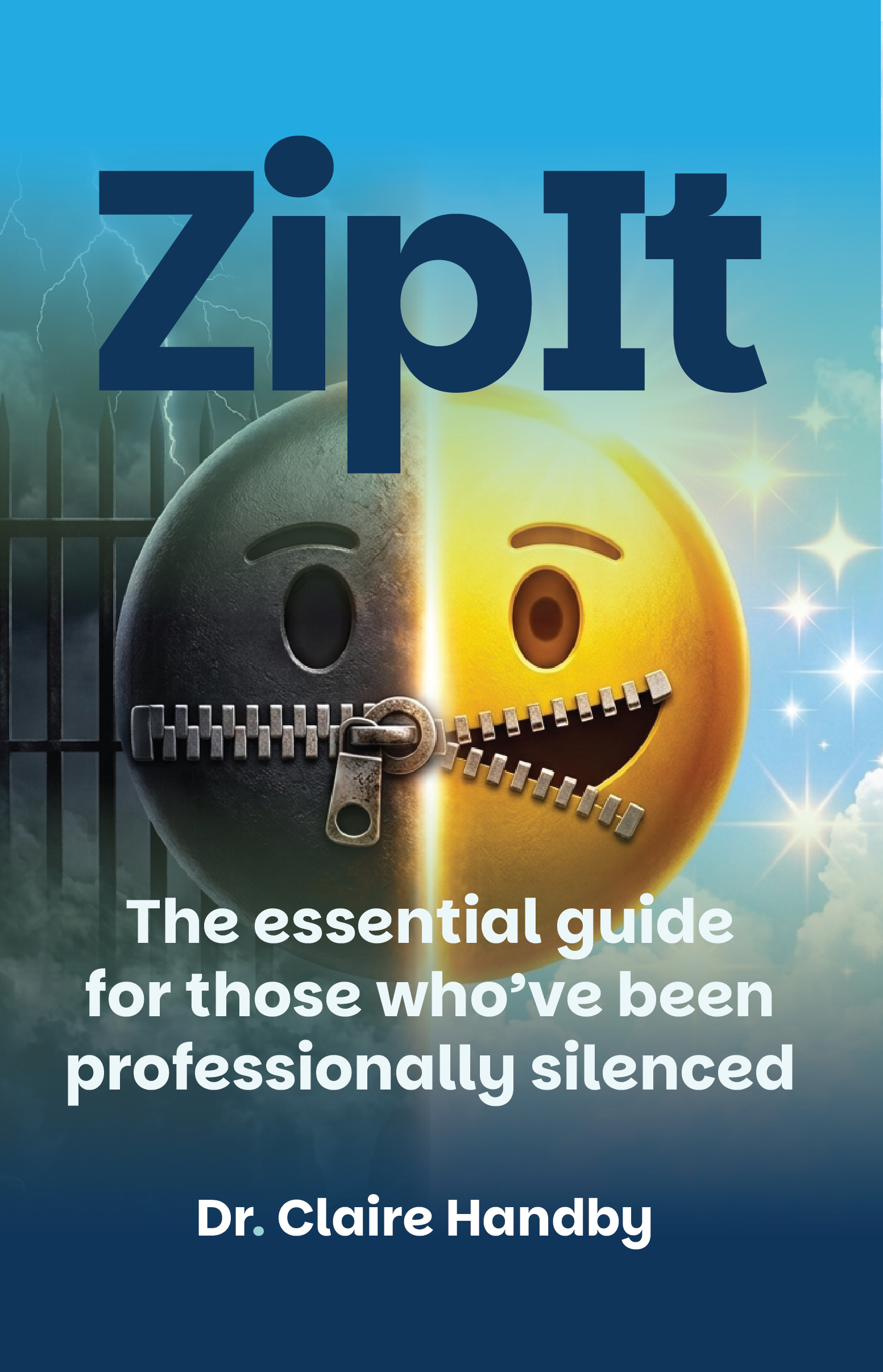
A silent epidemic is taking place. More and more frequently, executives and mid level leaders are experiencing the trauma of an unexpected professional exit and enforced silence, such as through an NDA (non-disclosure agreement). The cost in terms of identity disruption, personal and professional fall-out, with the erosion of self-worth can be paralyzing.
But being told to ‘zip it’ is not the end of the story. Dr Claire Handby draws on years of top-level business experience, exposure and executive coach credentials, to set out a bold way forward.
Reclaim your narrative, rediscover your agency and own your identity, to step boldly into the next chapter of your life and career with confidence.
-
The first book to address directly this growing but little-acknowledged business practice and its personal and professional impact.
-
Includes case studies demonstrating the trajectory into positive career advancement
-
Deals with both the emotional side and the practical aspects of this traumatic journey.
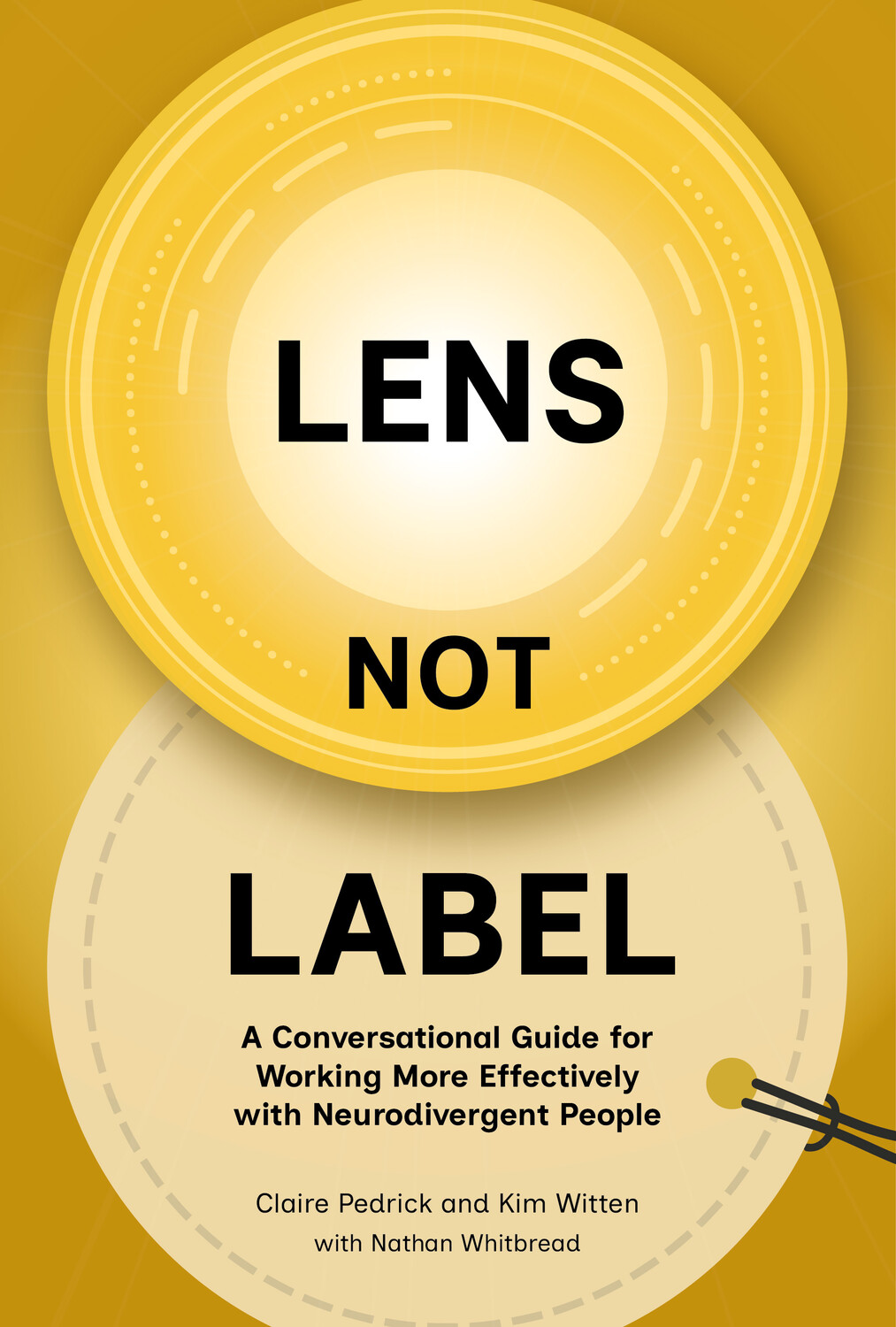
Do less for people. Do more with them.
This is a book for managers, leaders and coaches who want to overcome their discomfort and fear when working with neurodivergent people, and who know that difference is rocket-fuel for organisations.
If you want the confidence to truly connect — without labels, jargon and clunky models — this book offers fresh and effective ways of working with neurodiverse talent.
You don’t have to know everything, you just have to be willing to see things differently.
Claire Pedrick, Kim Witten and Nathan Whitbread are neurodivergent professionals. They share a mission to raise awareness, simplify communication, and effect positive change in the way people interact in the workplace and beyond. Claire is an experienced coach and the author of Simplifying Coaching and co-author of the award-winning The Human Behind The Coach, Kim is a coach-consultant with a PhD in linguistics and has studied language and human behaviour for over two decades, and Nathan has extensive experience helping organizations become more ND-friendly plus thousands of hours of coaching, consulting and supporting ND people at work.
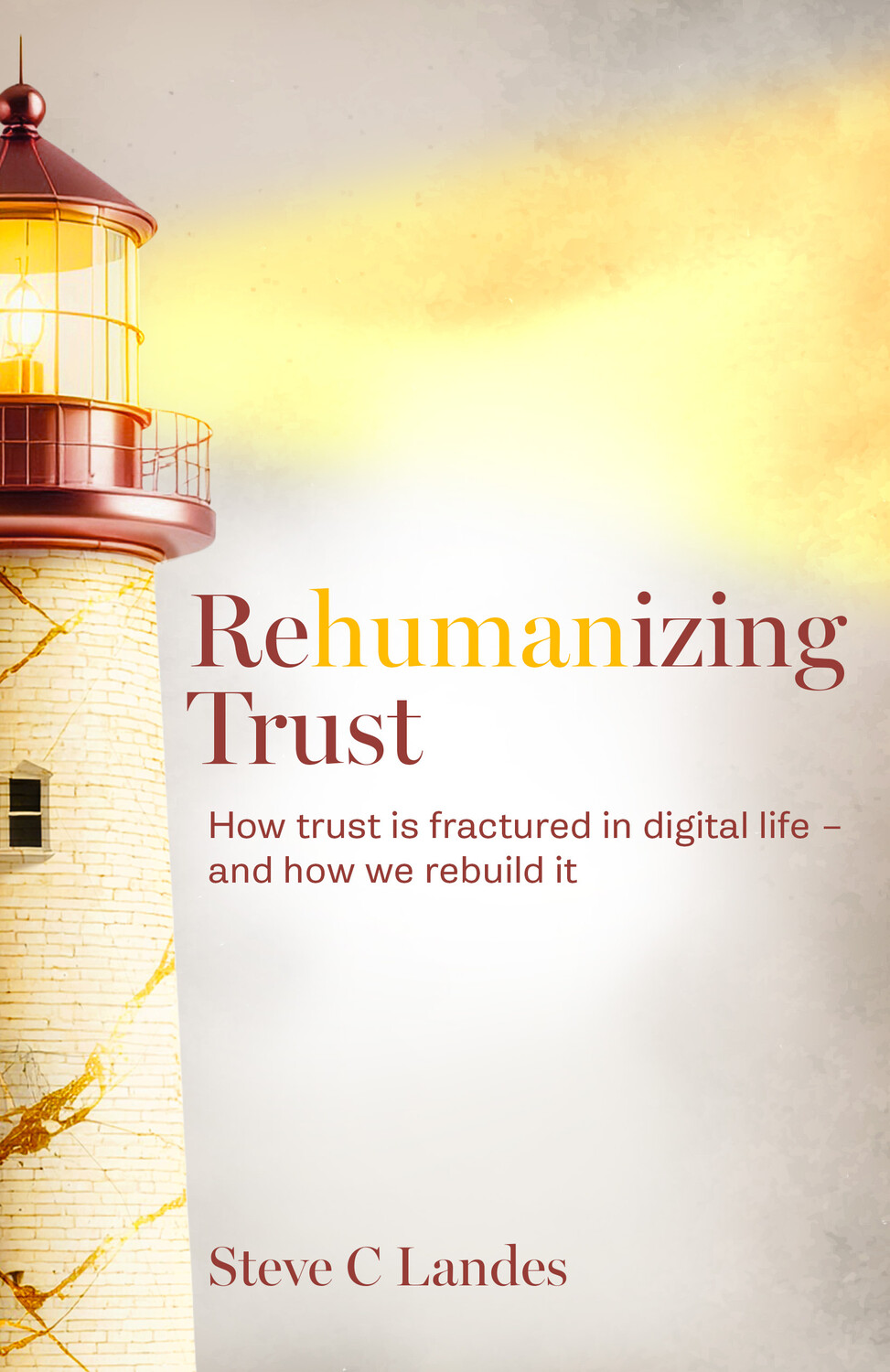
Why do our systems no longer feel human? An exploration of how trust erodes – quietly and systemically – across digital platforms, institutional cultures and everyday interactions.
Drawing together insights from cybersecurity, systems thinking, leadership, trauma studies and social change, Rehumanizing Trust reveals how our trust instincts are exploited by systems built for compliance, not care. But it also offers a way forward: a path to reclaim trust as a relational architecture rooted in presence, memory and mutual risk.
At a time when artificial intelligence, institutional distrust and emotional fatigue are reshaping our lives, this book is both a companion for those trying to stay human in systems that prioritize performance over presence and a practical handbook for professionals grappling with ethical and relational crises.

Yoga for Happy Mums focuses on the real issues that mums of young children face: lack of sleep, low energy levels, stress, negative emotions (anxiety, guilt, depression, anger and irritability), fluctuating hormones, a weakened immune system, issues with body confidence and difficulties with addictions and relationships. Each chapter includes a discussion about how the particular issue applies to mums, a questionnaire so you can identify which are particularly relevant to you, some suggested points for reflection, guidance from the Kundalini Yoga tradition (including Top Tips such as dietary suggestions), a breathing practice, a physical Yoga set and a meditation.
The book is fully illustrated, with easy-to-understand instructions so that you can practise at home. You do not need any previous experience, or to be particularly flexible or physically fit in order to practise these sets.
Kundalini Yoga is a comprehensive form of Yoga that uses the breath, sound (mantra), postures and meditation. It is an ancient tradition which can empower you to meet the challenges of modern life with grace and equanimity. Unlike other forms of Yoga which were originally practiced in isolation, Kundalini Yoga has always been a householder’s yoga, designed for people with the commitments of family and work.
The challenges leaders face today are bigger than any one of them.
Leaders today face wicked problems that are difficult or impossible to solve alone. The future of leadership is collective, and the future of coaching involves initiating group coaching at the most senior levels.
Developing Collective Leaders shows why we need leaders to work collectively, how group coaching can support their development and what holds organizations and individuals back from investing in it. It also explains in detail how to set up and deliver a group coaching programme for leaders, including a group coaching framework and step-by-step guide, as well as practical strategies for overcoming resistance.
Dr Ruth Simpsons’s research into group coaching involved a forensic examination of practice informed by 25 years’ experience enabling leaders to adapt to change. The result is a thorough and practical guide for coaches who need to coach leaders in groups.
Because if leaders are to address the multifaceted challenges facing them and their organizations today, they need coaches equipped to help.
- Addresses how to identify and overcome objections associated with coaching leaders in groups at work.
- Includes a framework for coaching leaders in groups based upon meeting their psychological needs.
- Companion online resources – templates, tools, checklists and references to support implementation.
